Makes 12-14 pieces 40g Glass noodles, dry 120g ground pork 3 tsp soy sauce, divided ¼ tsp black peppercorns, ground ½ tsp white peppercorns, ground 4 cloves garlic, minced 3-4 dried shiitake mushrooms, soaked in water until soft (at least 1 hour), then finely chopped 1.5 cup finely shredded cabbage 1 cup grated carrots 6 cilantro stems, finely chopped ½ – 1 tsp salt 1 Tbsp sugar 2-3 Tbsp water, as needed 8-inch spring roll wrappers, 12-14 pieces, thawed 1 egg, beaten, for sealing the wrapper Vegetable oil for frying Sweet Chili Sauce for dipping see recipe (@7:11)
Makes 12-14 pieces
Makes 12-14 pieces 40g Glass noodles, dry 120g ground pork 3 tsp soy sauce, divided ¼ tsp black peppercorns, ground ½ tsp white peppercorns, ground 4 cloves garlic, minced 3-4 dried shiitake mushrooms, soaked in water until soft (at least 1 hour), then finely chopped 1.5 cup finely shredded cabbage 1 cup grated carrots 6 cilantro stems, finely chopped ½ – 1 tsp salt 1 Tbsp sugar 2-3 Tbsp water, as needed 8-inch spring roll wrappers, 12-14 pieces, thawed 1 egg, beaten, for sealing the wrapper Vegetable oil for frying Sweet Chili Sauce for dipping see recipe (@7:11)
Description is the pattern of narrative development that aims to make vivid a place, object, character, or group.[1] Description is one of four rhetorical modes (also known as modes of discourse), along with exposition, argumentation, and narration.[2] In practice it would be difficult to write literature that drew on just one of the four basic modes.[3] Fiction-writing also has modes: action, exposition, description, dialogue, summary, and transition.[4] Author Peter Selgin refers to methods, including action, dialogue, thoughts, summary, scenes, and description.[5] Currently, there is no consensus within the writing community regarding the number and composition of fiction-writing modes and their uses. Description is the fiction-writing mode for transmitting a mental image of the particulars of a story. Together with dialogue, narration, exposition, and summarization, description is one of the most widely recognized of the fiction-writing modes. As stated in Writing from A to Z, edited by Kirk Polking, description is more than the amassing of details; it is bringing something to life by carefully choosing and arranging words and phrases to produce the desired effect.[6] The most appropriate and effective techniques for presenting description are a matter of ongoing discussion among writers and writing coaches.
Fiction-writing also has modes: action, exposition, description, dialogue, summary, and transition.[4] Author Peter Selgin refers to methods, including action, dialogue, thoughts, summary, scenes, and description.[5] Currently, there is no consensus within the writing community regarding the number and composition of fiction-writing modes and their uses.
Description is the fiction-writing mode for transmitting a mental image of the particulars of a story. Together with dialogue, narration, exposition, and summarization, description is one of the most widely recognized of the fiction-writing modes. As stated in Writing from A to Z, edited by Kirk Polking, description is more than the amassing of details; it is bringing something to life by carefully choosing and arranging words and phrases to produce the desired effect.[6] The most appropriate and effective techniques for presenting description are a matter of ongoing discussion among writers and writing coaches.
Description is the pattern of narrative development that aims to make vivid a place, object, character, or group.[1] Description is one of four rhetorical modes (also known as modes of discourse), along with exposition, argumentation, and narration.[2] In practice it would be difficult to write literature that drew on just one of the four basic modes.[3] Fiction-writing also has modes: action, exposition, description, dialogue, summary, and transition.[4] Author Peter Selgin refers to methods, including action, dialogue, thoughts, summary, scenes, and description.[5] Currently, there is no consensus within the writing community regarding the number and composition of fiction-writing modes and their uses. Description is the fiction-writing mode for transmitting a mental image of the particulars of a story. Together with dialogue, narration, exposition, and summarization, description is one of the most widely recognized of the fiction-writing modes. As stated in Writing from A to Z, edited by Kirk Polking, description is more than the amassing of details; it is bringing something to life by carefully choosing and arranging words and phrases to produce the desired effect.[6] The most appropriate and effective techniques for presenting description are a matter of ongoing discussion among writers and writing coaches.
2 x regular classic pizza (10)
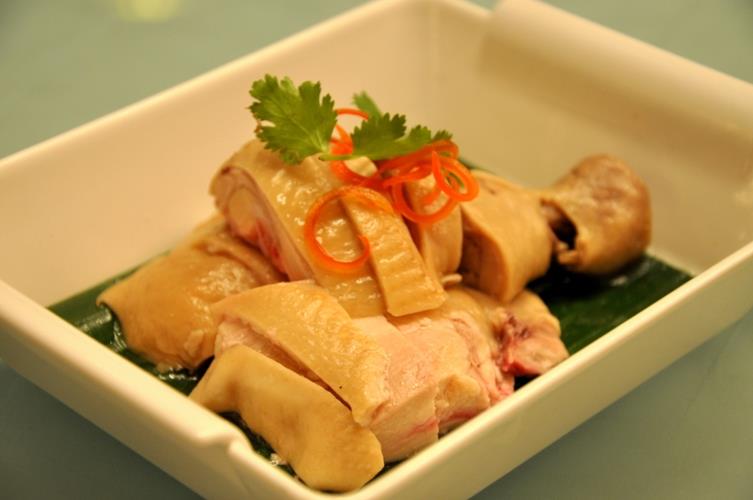
For Stage 1: Preparing the Chicken & Stock 2 chicken leg quarters 2 ½ cups water 2 large slices ginger 1/2 teaspoon salt For Stage 2: The Brine 1 ½ cups of your homemade Chicken broth (at room temperature) 1 1/2 cups shaoxing huadiao wine (绍兴花雕酒) 1 1/2 teaspoons sugar 2 1/2 teaspoons sea salt 1 tablespoon dried goji berries/wolfberries
For Stage 1: Preparing the Chicken & Stock
For Stage 2: The Brine
For Stage 1: Preparing the Chicken & Stock 2 chicken leg quarters 2 ½ cups water 2 large slices ginger 1/2 teaspoon salt For Stage 2: The Brine 1 ½ cups of your homemade Chicken broth (at room temperature) 1 1/2 cups shaoxing huadiao wine (绍兴花雕酒) 1 1/2 teaspoons sugar 2 1/2 teaspoons sea salt 1 tablespoon dried goji berries/wolfberries
MAKES : 8 | DIFFICULTY: EASY PREP TIME : 15 MINS | COOK TIME : 3:20 HOURS Categories: Christmas, Easter, Pork, Roasts
When the heat starts to climb, I try to use my oven as little as possible. One of my favorite chilled meals: hiyashi chuka, chilled ramen topped all sorts of goodies and tossed in a bright, simple dressing. Why It Works A bright, balanced dressing of soy sauce, rice vinegar, freshly grated ginger, and sesame oil adds plenty of flavor while still being refreshing. A variety of toppings lend both great texture and flavor to each bowl. Read more: Cool off With Cold Ramen: How to Make Hiyashi Chuka at Home
When the heat starts to climb, I try to use my oven as little as possible. One of my favorite chilled meals: hiyashi chuka, chilled ramen topped all sorts of goodies and tossed in a bright, simple dressing.
Read more: Cool off With Cold Ramen: How to Make Hiyashi Chuka at Home
When the heat starts to climb, I try to use my oven as little as possible. One of my favorite chilled meals: hiyashi chuka, chilled ramen topped all sorts of goodies and tossed in a bright, simple dressing. Why It Works A bright, balanced dressing of soy sauce, rice vinegar, freshly grated ginger, and sesame oil adds plenty of flavor while still being refreshing. A variety of toppings lend both great texture and flavor to each bowl. Read more: Cool off With Cold Ramen: How to Make Hiyashi Chuka at Home